
Beyond the Celebration: Advancing Kiswahili for Regional Integration, Innovation and Africa's Global Voice
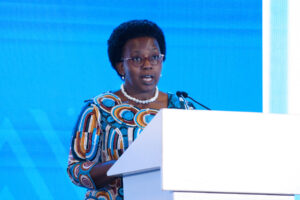
Reflections by Dr. Caroline Asiimwe, Executive Secretary, EAKC
As we reflect on the successful commemoration of World Kiswahili Language Day, it is important to remember that this occasion is not simply about celebrating a language it is about reaffirming Kiswahili’s strategic role in advancing regional integration, fostering social inclusion, promoting economic opportunity, and strengthening Africa’s voice on the global stage. The real value of this celebration lies in the actions we take afterwards to ensure that Kiswahili continues to serve as a catalyst for unity, innovation, and sustainable development across the East African Community and beyond
- What should be the lasting legacy of World Kiswahili Language Day beyond the annual celebrations?
The true measure of success is not the number of events held on 7 July but the tangible progress made throughout the year. The legacy should be increased use of Kiswahili in education, trade, public administration, technology, research, and regional integration. Celebrations should inspire sustained action and measurable impact.
2. Why does Kiswahili matter strategically for the East African Community?Regional integration depends on effective communication, shared identity, and mutual understanding. Kiswahili strengthens social cohesion, facilitates labour mobility, supports cross-border trade, and promotes citizen participation. It is a strategic asset that complements economic and political integration.
3. How can Kiswahili contribute to the implementation of the African Continental Free Trade Area
Trade flourishes where communication is accessible. Kiswahili can reduce language barriers, improve access to market information, facilitate business networking, and strengthen collaboration among African entrepreneurs. Language should be viewed as trade infrastructure.
4. What is the biggest challenge facing Kiswahili today?
The challenge is no longer recognition but implementation. We must accelerate investment in capacity building, digital technologies, terminology development, translation and intepretation services, and language policy so that Kiswahili becomes increasingly useful across all sectors of society.
5. How is EAKC preparing Kiswahili for the digital age?
The future of Kiswahili depends on its presence in artificial intelligence, digital education, language technologies, scientific research, and online content. EAKC continues to work with Partner States and stakeholders to expand Kiswahili’s digital ecosystem and ensure it remains relevant in the Fourth Industrial Revolution.
6. Why should young people care about Kiswahili?
Young people are not merely inheritors of Kiswahili, they are its future innovators. The language creates opportunities in education, creative industries, entrepreneurship, diplomacy, media, tourism, and emerging digital careers.
7. What role should universities play?
Universities should become centres of excellence for Kiswahili research, innovation, terminology development, translation, and professional training. Strong academic partnerships will ensure the language evolves alongside science and technology.
8. How can development partners contribute?
Supporting Kiswahili is an investment in inclusive development, regional cooperation, quality education, and cultural preservation. Strategic partnerships can expand research, digital innovation, teacher development, and institutional capacity.
9. What does the growing global interest in Kiswahili mean?
Global interest reflects recognition of Africa’s increasing geopolitical, economic, and cultural importance. Kiswahili is becoming a bridge between Africa and the international community, creating opportunities for diplomacy, business, tourism, and academic collaboration.
10. What message would you give to policymakers?
Language policy is development policy. Investing in Kiswahili strengthens regional integration, improves public service delivery, promotes inclusion, and supports long-term economic transformation. The returns extend well beyond the cultural sector.
11. How can the private sector benefit from Kiswahili?
Kiswahili is more than a language of communication. It is a strategic business asset. By adopting Kiswahili, the private sector can strengthen customer trust, deepen financial inclusion, expand market reach, enhance regional branding, and facilitate cross-border trade within the East African Community and beyond. As regional economic integration accelerates under the African Continental Free Trade Area (AfCFTA), businesses that invest in Kiswahili will be better positioned to engage diverse markets, build lasting customer relationships, and gain a competitive advantage in Africa’s evolving economic landscape.
12. What are EAKC’s priorities after this year’s celebrations?
Our focus is on translating momentum into action by strengthening implementation of regional language policies, expanding partnerships, supporting digital innovation, enhancing research and terminology development, and promoting wider use of Kiswahili across the East African Community and beyond.
13. What does success look like for Kiswahili in the next decade?
Success means Kiswahili is widely used in education, governance, business, diplomacy, science, technology, and digital platforms across Africa. It also means the language is recognised globally as a key medium for engaging with the continent’s people, markets, and ideas.
14. What role does Kiswahili play in Africa’s global influence?
A common African language strengthens the continent’s ability to articulate its perspectives, negotiate its interests, and share its innovations internationally. Kiswahili enhances Africa’s cultural diplomacy and contributes to a stronger, more coherent global voice.
Closing Reflection
“The celebration of World Kiswahili Language Day is not the end of our work it is a reminder of our shared responsibility. Our task now is to transform recognition into implementation, policy into practice, and language into opportunity. Together, we can ensure that Kiswahili continues to unite our region, advance Africa’s development agenda, and strengthen the continent’s voice in global engagement.”